
Designing trust at platform scale
Meta Developer Platform · Head of Design · 7 years
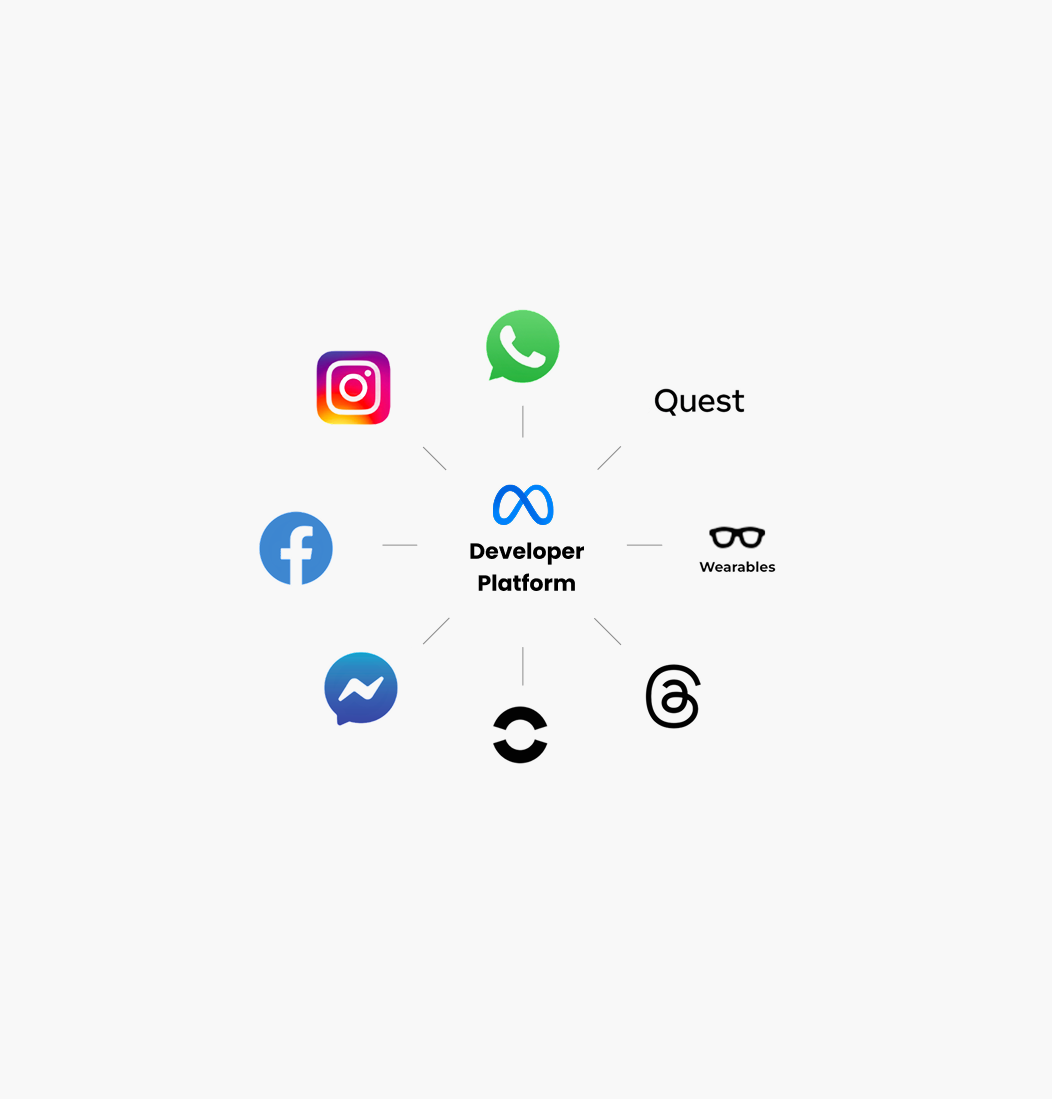
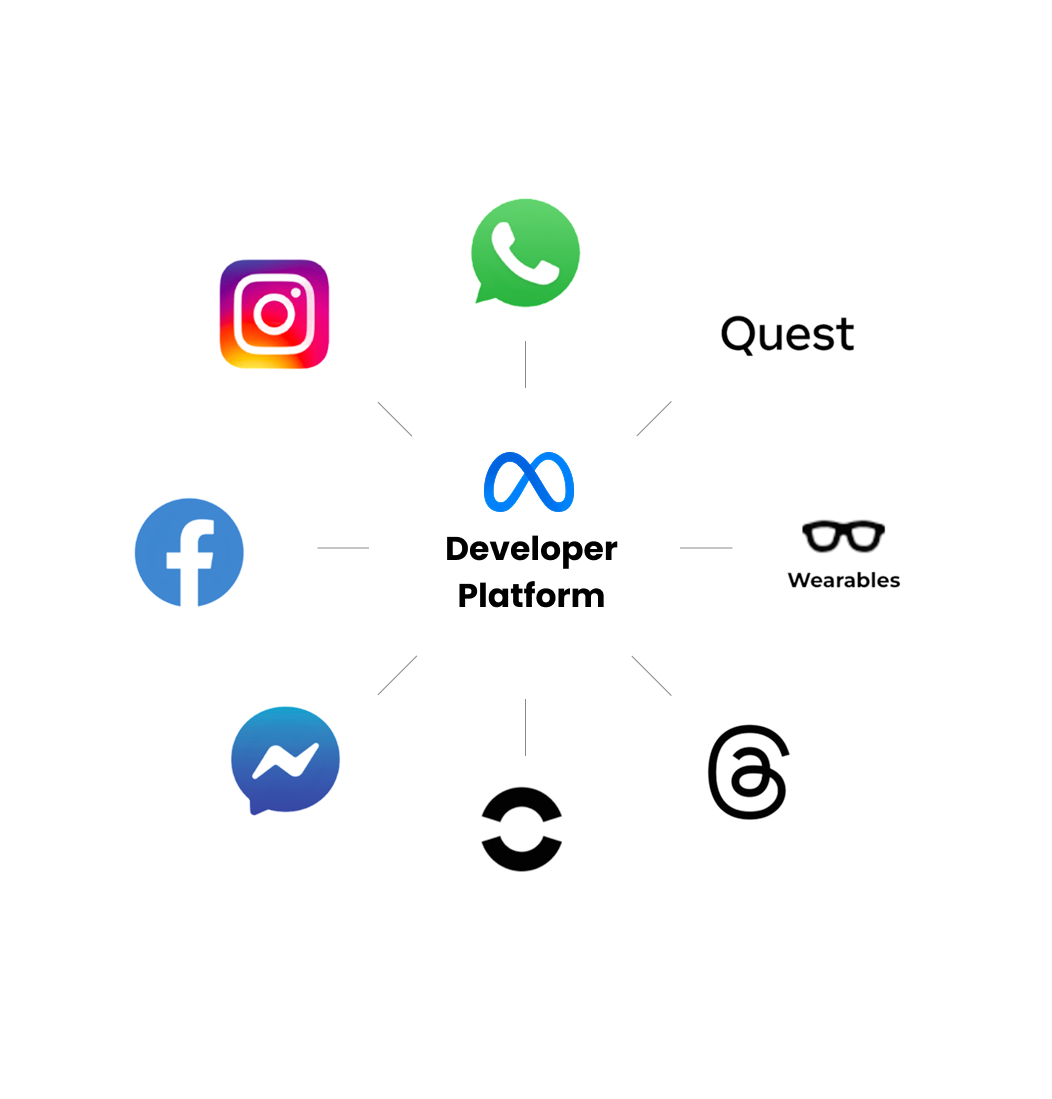
Millions of developers worldwide build their products and run their businesses on Meta's developer platform.
Hundreds of millions of people use it every day. I led design for it for seven years, through the hardest stretch in its history.
The outcomes
Strengthened user data protection across every product built on the platform
Passed every FTC assessment under the consent order, protecting the company from further penalties
Cut median App Review time from 36 days to under 4, a 90% reduction
Unified 10+ fragmented developer ecosystems into one architecture
Converged the platform onto Meta's business tools design system, replacing bespoke patterns across every developer surface
Led a multidisciplinary design organization through five reorgs without missing delivery
The problem
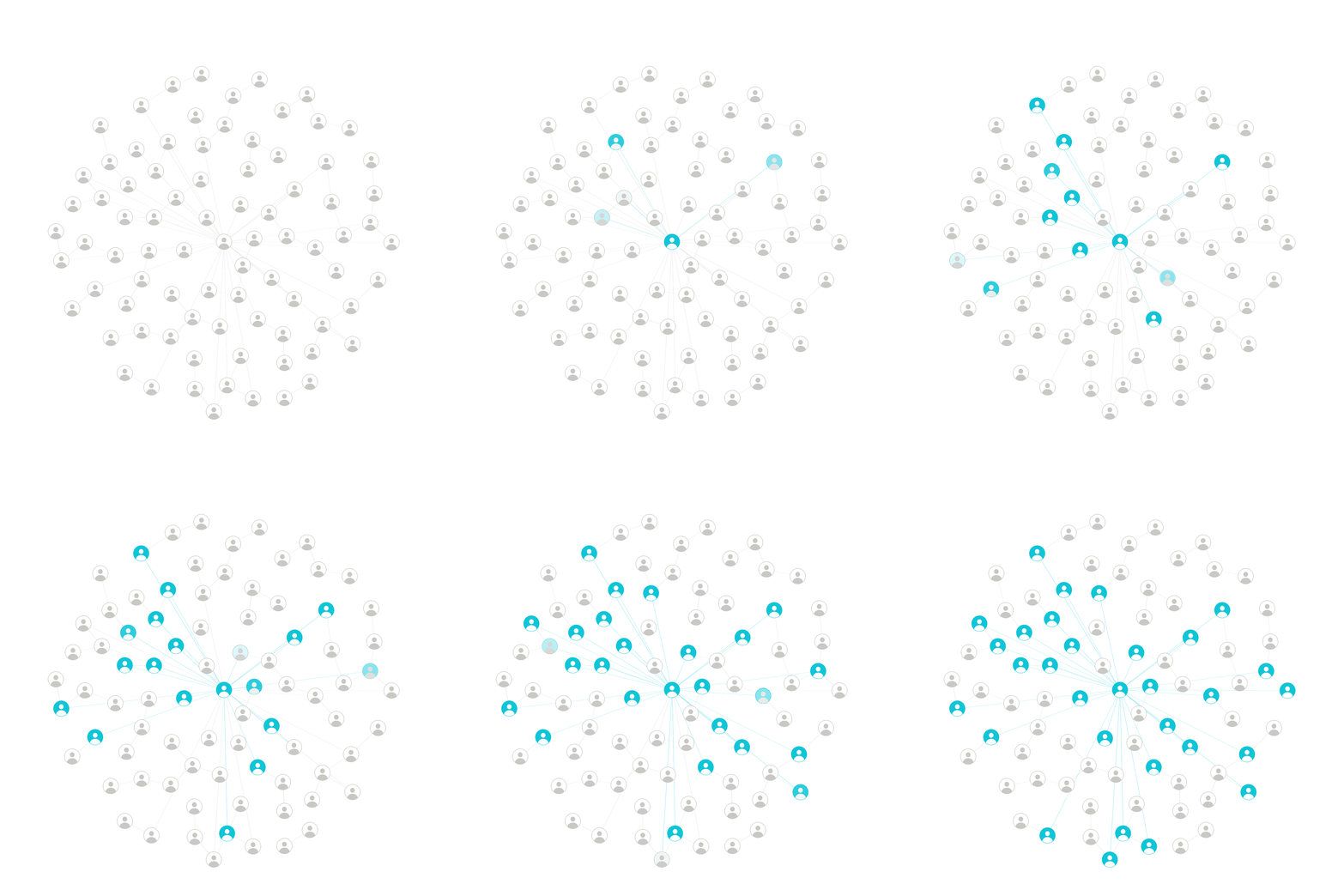
In 2018, the Cambridge Analytica scandal revealed that a third-party developer had improperly shared data accessed through the platform. The fallout was a $5 billion FTC settlement and a consent order that made the developer platform the center of Meta's compliance obligations for years.
The data access model went from growth engine to existential liability overnight. The obvious response was to lock everything down. But a locked platform kills the ecosystem those companies depend on.
Meta’s problem: lost revenue, eroded credibility, tightened oversight
Developers’ problem: broken trust, account takedowns, lost time and money
The cleanup
We mapped the key flows, grouped the information logically, and moved the interface onto Meta's design system to de-fragment it. Search, filters, sorting, and detail on demand for every option gave developers a way to find and understand Meta’s offerings.
It is a better experience than the one it replaced. But cleanup and hierarchy could not reach the bar, because the complexity was still in the system. Each option carried its own access level, review state, requirements, and consequence for getting it wrong. We knew the platform itself had to carry the rules.
“Make what developers can and cannot do obvious in the product, so protection stops depending on interpretation.”
What we built
One path across the whole app lifecycle, from creation to maintenance. It made the boundaries explicit, what a developer can and cannot do on the platform, and put the rest in a single prioritized queue: what's due, what to do next, and what happens if they don't. Critical communication arrived in order of consequence rather than all at once.
Scattered
Mapped
Dependencies identified
Guided
Apps
Create AppOne place for every app
What's due, surfaced
Consequence on the card
Creation starts here
Create an app
Add use cases
Start from the use case
One choice constrains the rest
Blocked, not rejected later
Only valid combinations proceed
Each step narrows the next
Where it led
The trust frameworks we built for the privacy era became the foundation for what came next: the team went on to define governance UX for third-party AI agents on Meta's platforms, design standards for AI-era data access. The hardest constraints we worked under turned out to be the best training for designing what's coming.
Leading through it
Seven years, five reorgs, constant executive visibility. My team designed a shared-services design model that cut duplication across platform teams, kept delivery moving through every reorg, and grew designers into leaders along the way.
Partners: Product Management, Engineering, Data Science, UX Research, Data Engineering, Policy & Legal
Direct Team: Product & Content Designers
“Ani closes critical gaps, aligns teams through creative operational excellence, and leads with the kind of clarity and resilience that elevates everyone around her.”